
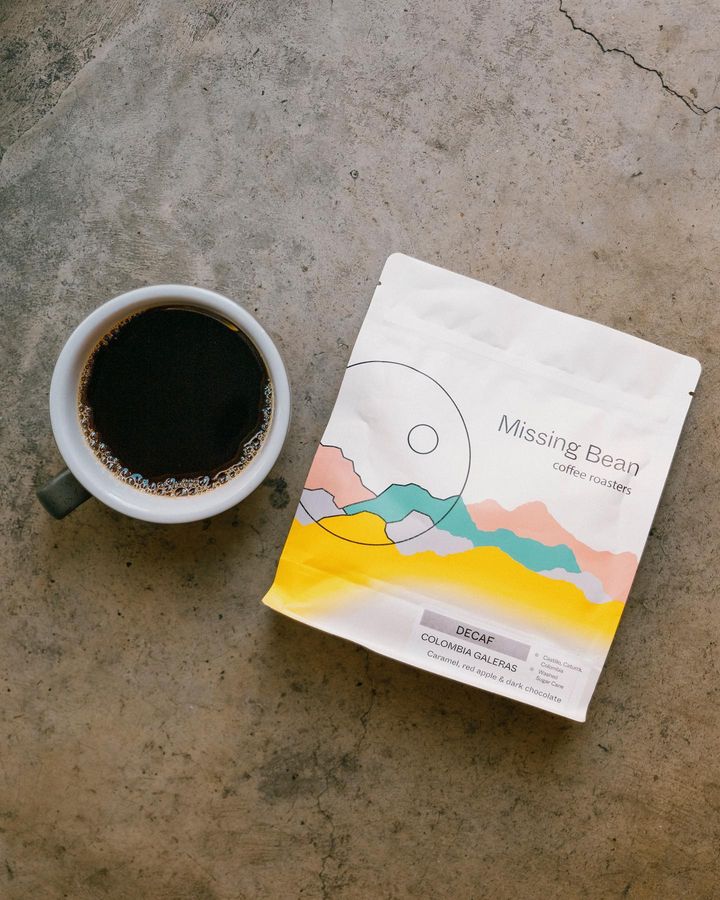
Decaf Coffee Beans
Our exceptional decaf coffee beans deliver the full-bodied flavour you love, without the caffeine. Hand-roasted at our East Oxford roastery and shipped direct to you every weekday.
More delivery info can be found here.


DECAF - Colombia - Chevere
Honey, Vanilla, Milk Chocolate
From £13.60


DECAF - Mexico - Sueño
Spices, Almond, Malt
From £11.80
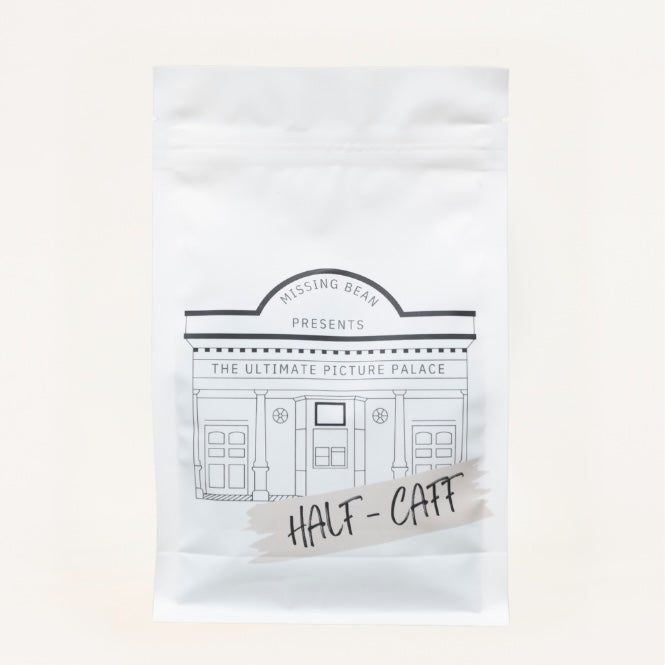

Half-Caff - MB X UPP
Caramel, Chocolate, Orange Zest
From £11.00
Decaf Coffee Beans FAQs
What decaffeination process do you use?
Our Colombia Chevere coffee has been decaffeinated using the "sugar cane" process, based on sugar cane extract.
Our Mexico Sueno coffee has been decaffeinated using fresh mountain water. By osmosis, 50% of the caffeine in these beans passes into the water bath, and the remaining 50% remains in the beans. This process is repeated until the caffeine content of the beans is between 0.01 and 0.02% leaving a delicious decaf coffee.
How much caffeine remains in decaf coffee beans?
Our decaffeinated coffee beans contain less than 3% of their original caffeine content, meeting international standards for decaf coffee. This typically means less than 5mg of caffeine per cup, compared to 95mg in regular coffee.
Do your decaf coffee beans taste different from regular coffee?
No! We've conducted blind taste tests with our customers, and they consistently cannot distinguish our decaf coffee from regular coffee. The decaffeination processes used on our beans, preserves the coffee's original flavour profile beautifully.
Where do your decaf coffee beans come from?
Our decaffeinated coffee beans are sourced from smallholder farmers around Colombia's Popayan highlands in the Cauca region, and the Mexican Sueno mountainous terrain.
Can I subscribe to regular deliveries of decaf coffee beans?
Yes! Our decaf coffee is available as part of our coffee subscription service. You can set up regular deliveries to ensure you never run out of your favourite decaffeinated coffee beans.
Are your decaf coffee beans suitable for people with caffeine sensitivity?
Our decaffeinated coffee beans are ideal for those with caffeine sensitivity, containing 97% less caffeine than regular coffee. However, if you're extremely sensitive to caffeine, please consult with your healthcare provider.