A fair wage

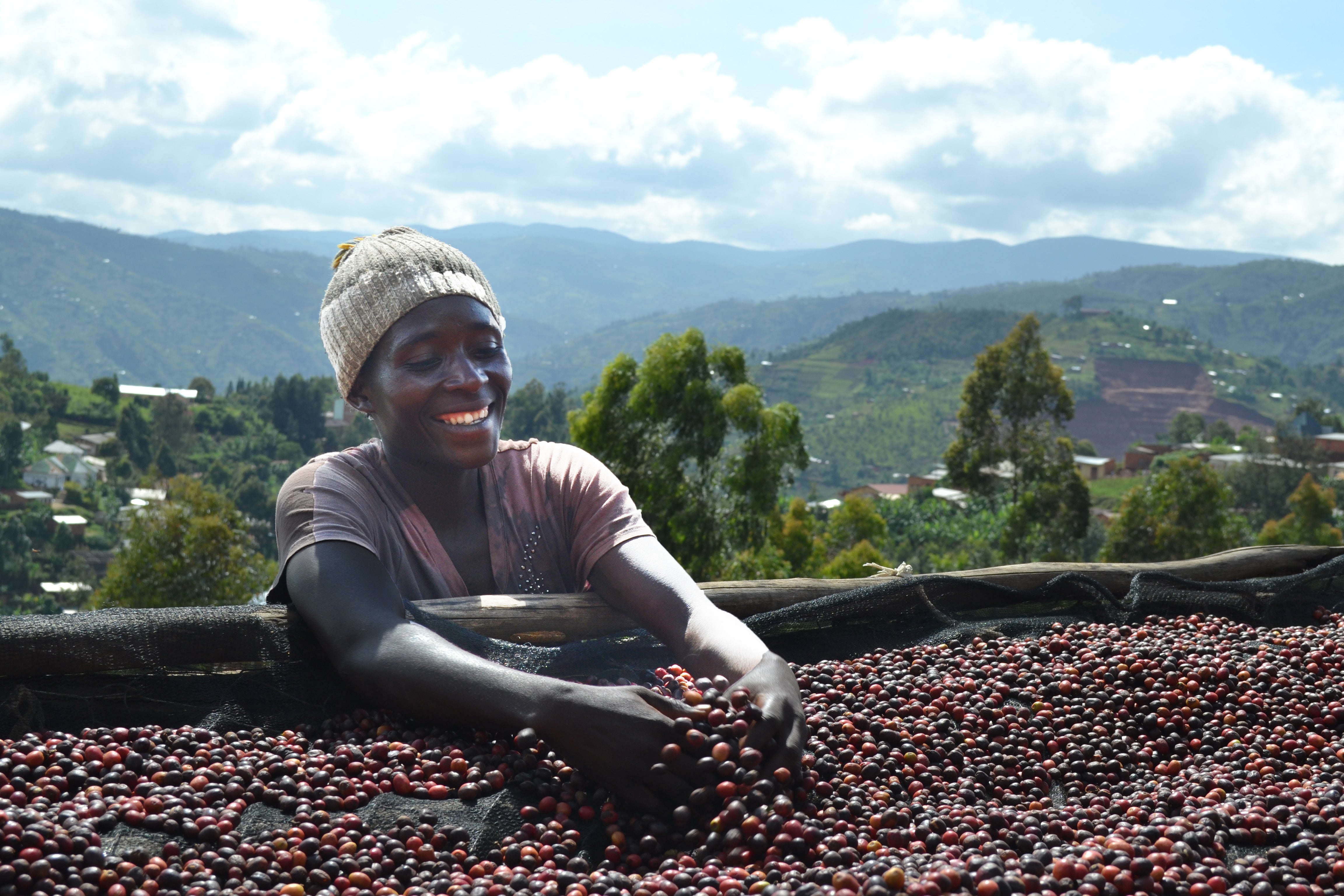
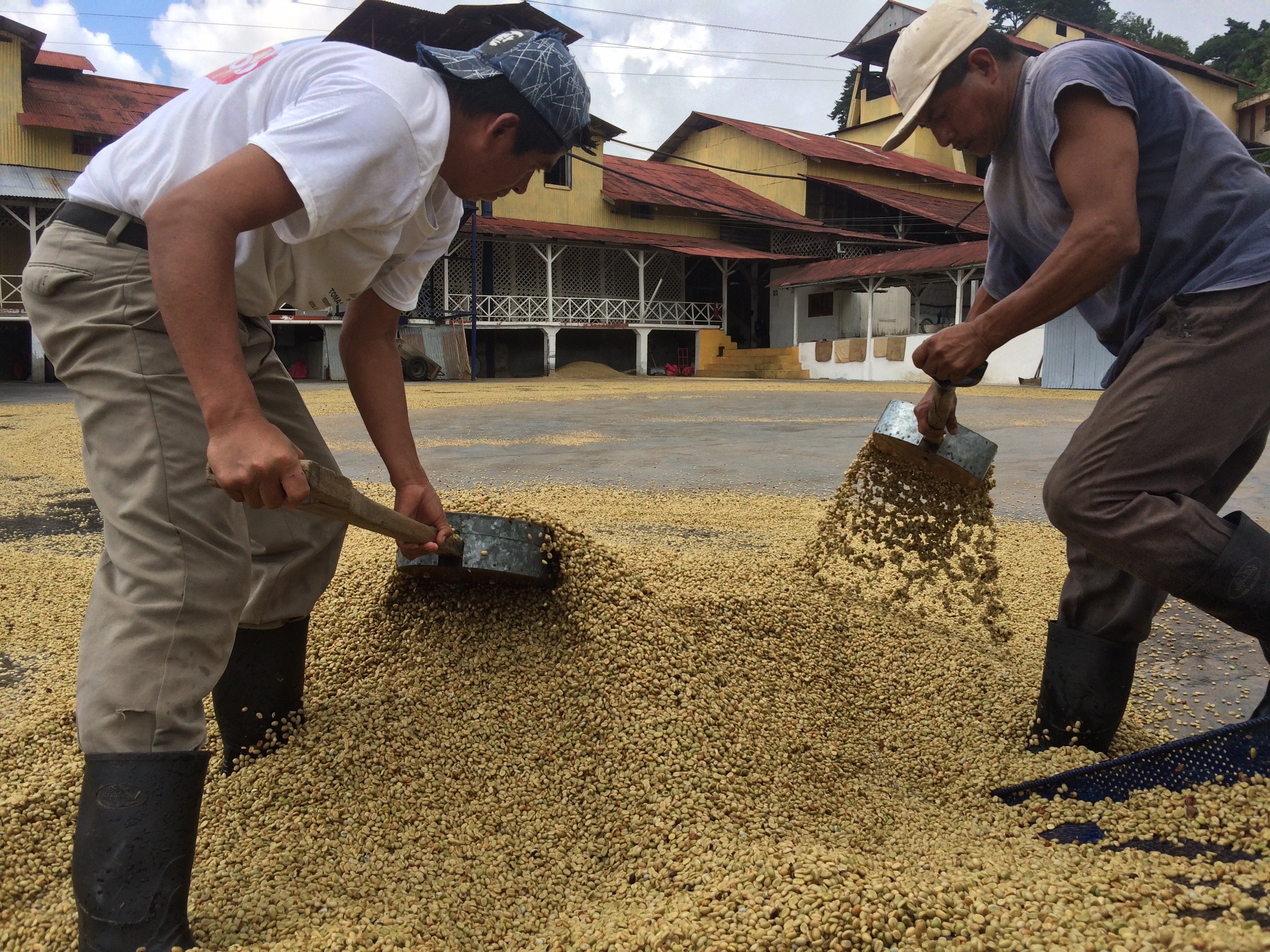
Buying direct means that farmers receive 100% of the costs for their goods, which results in a price that’s often far higher than fair trade

Ethical Production

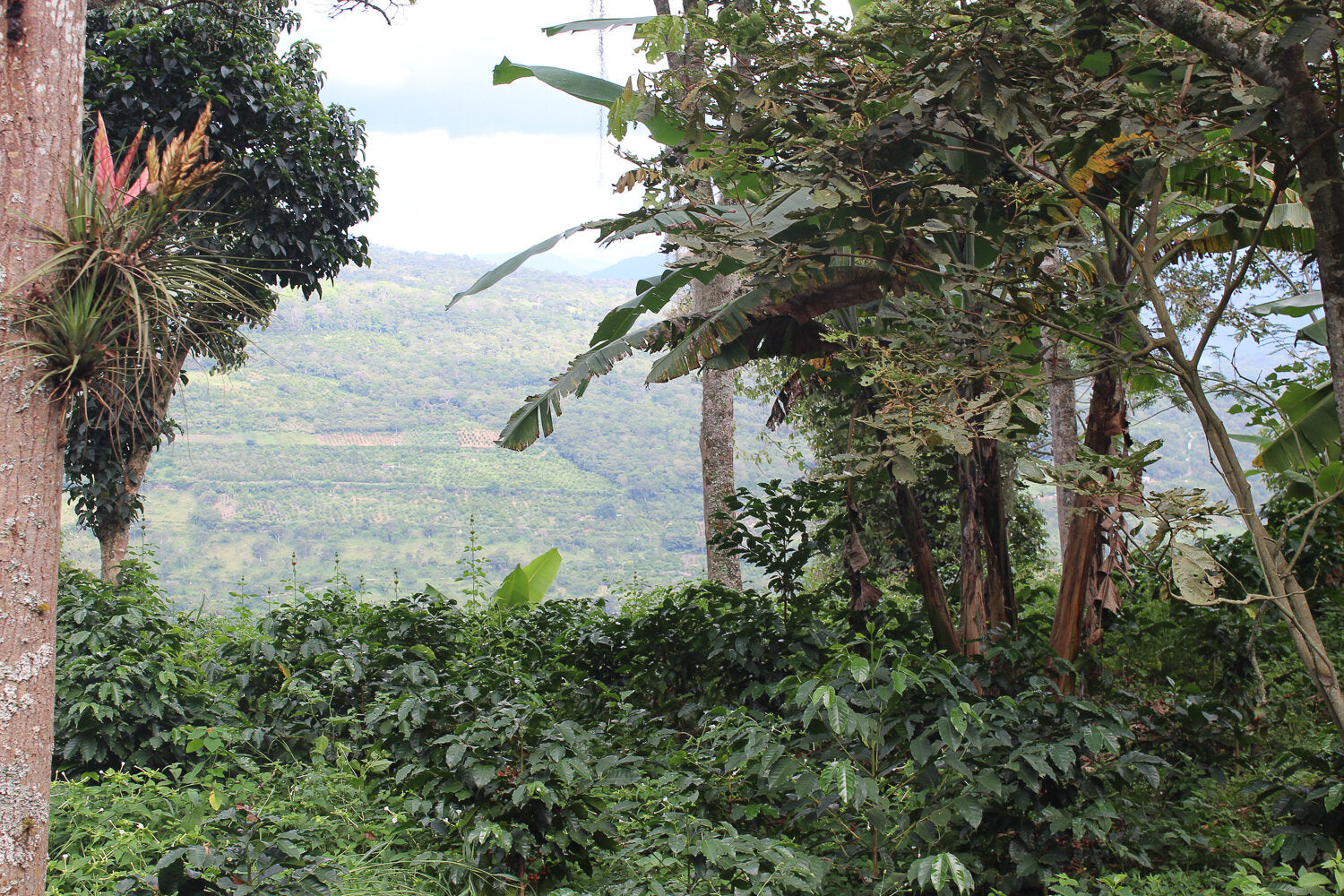
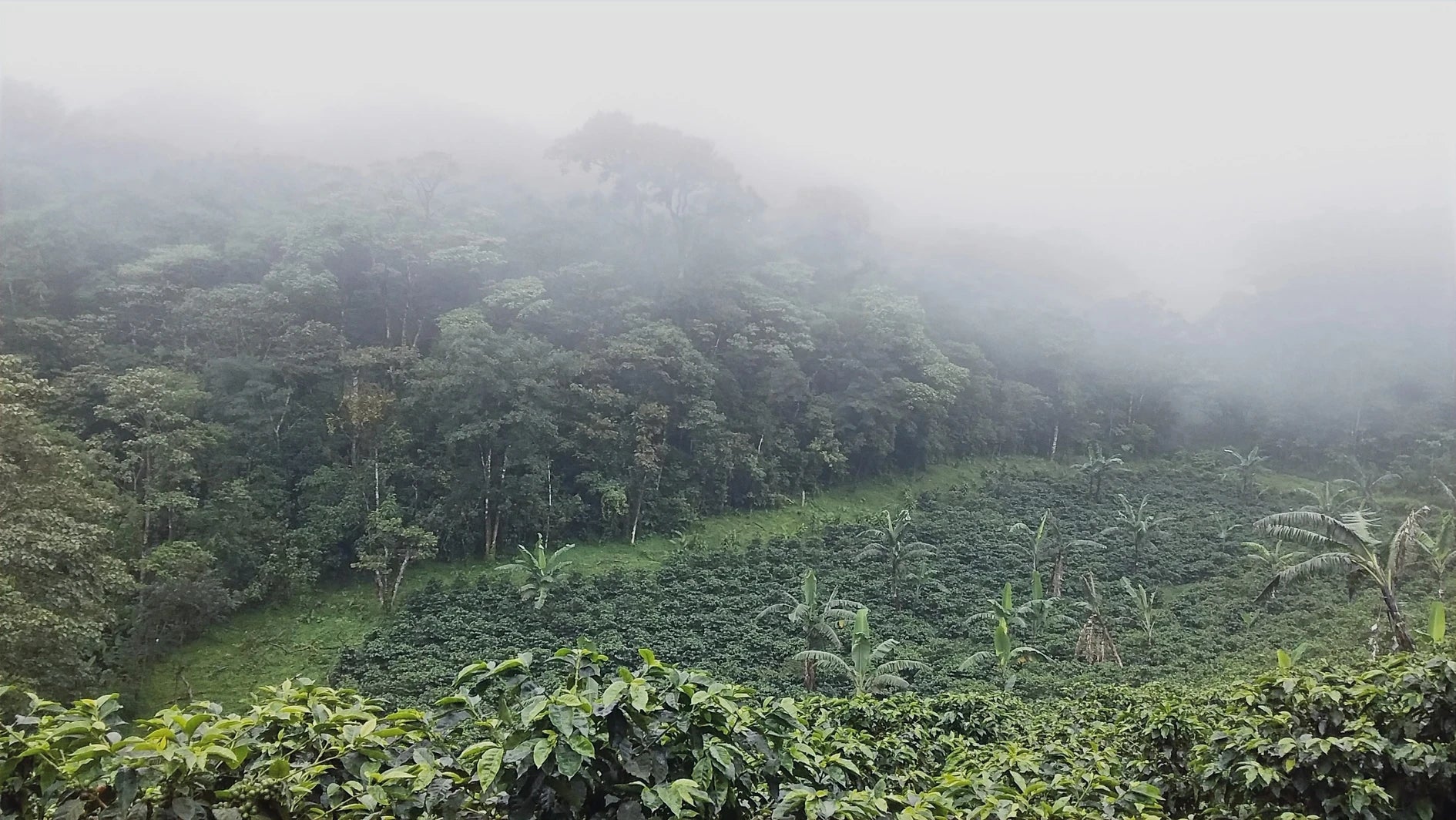
A direct partnership with farmers means that we can ensure sustainable production and ethical labour practices are being followed

A white graphic of three coffee beans

Better Coffee

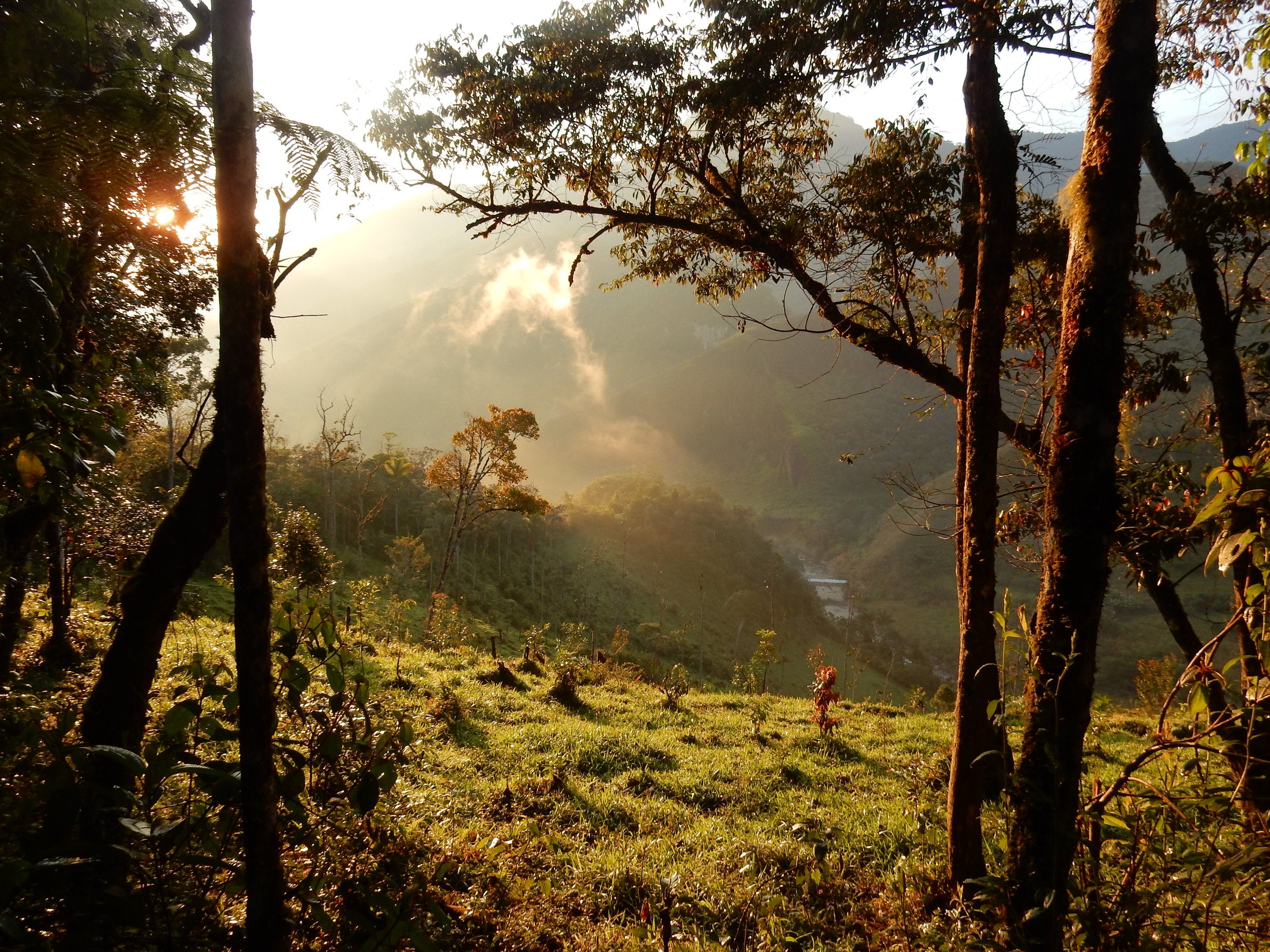
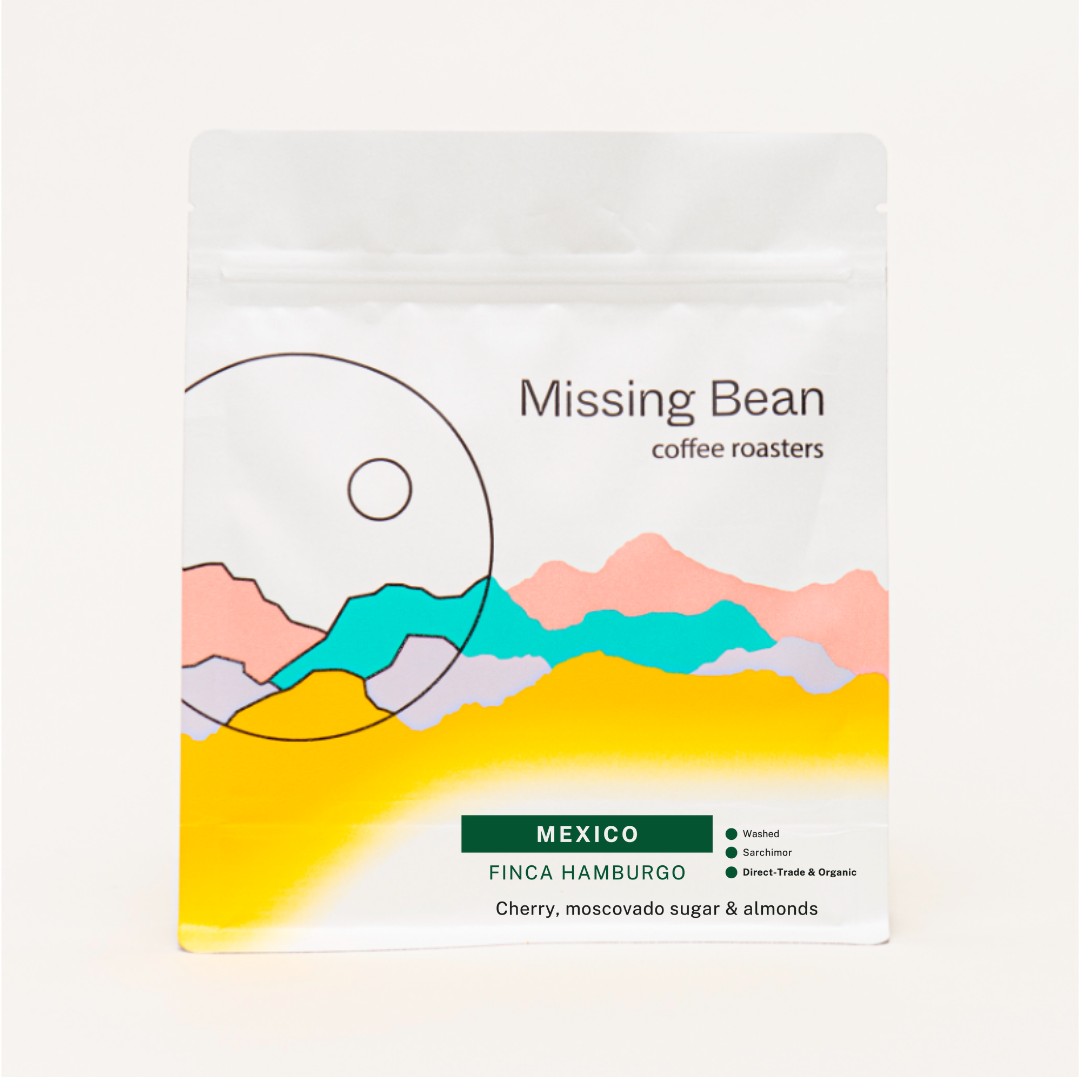
Being in direct communication with the farms gives us more options when sourcing our beans and allows us access to unique coffees

Direct Trade Coffee & Sourcing Trips

How have some of the coffee bean farmers that Missing Bean have worked with benefitted from selling Direct Trade Coffee Beans?

Direct Trade FAQs

What do we mean when we say Direct Trade Coffee Beans?

At Missing Bean, we take pride in sourcing Direct Trade Coffee Beans wherever possible. Direct Trade Coffee Beans are sourced directly from the farmers, skipping any intermediaries. These coffees are purchased by us at rates that are at least 15% higher than fair-trade and in most cases close to 100% higher.

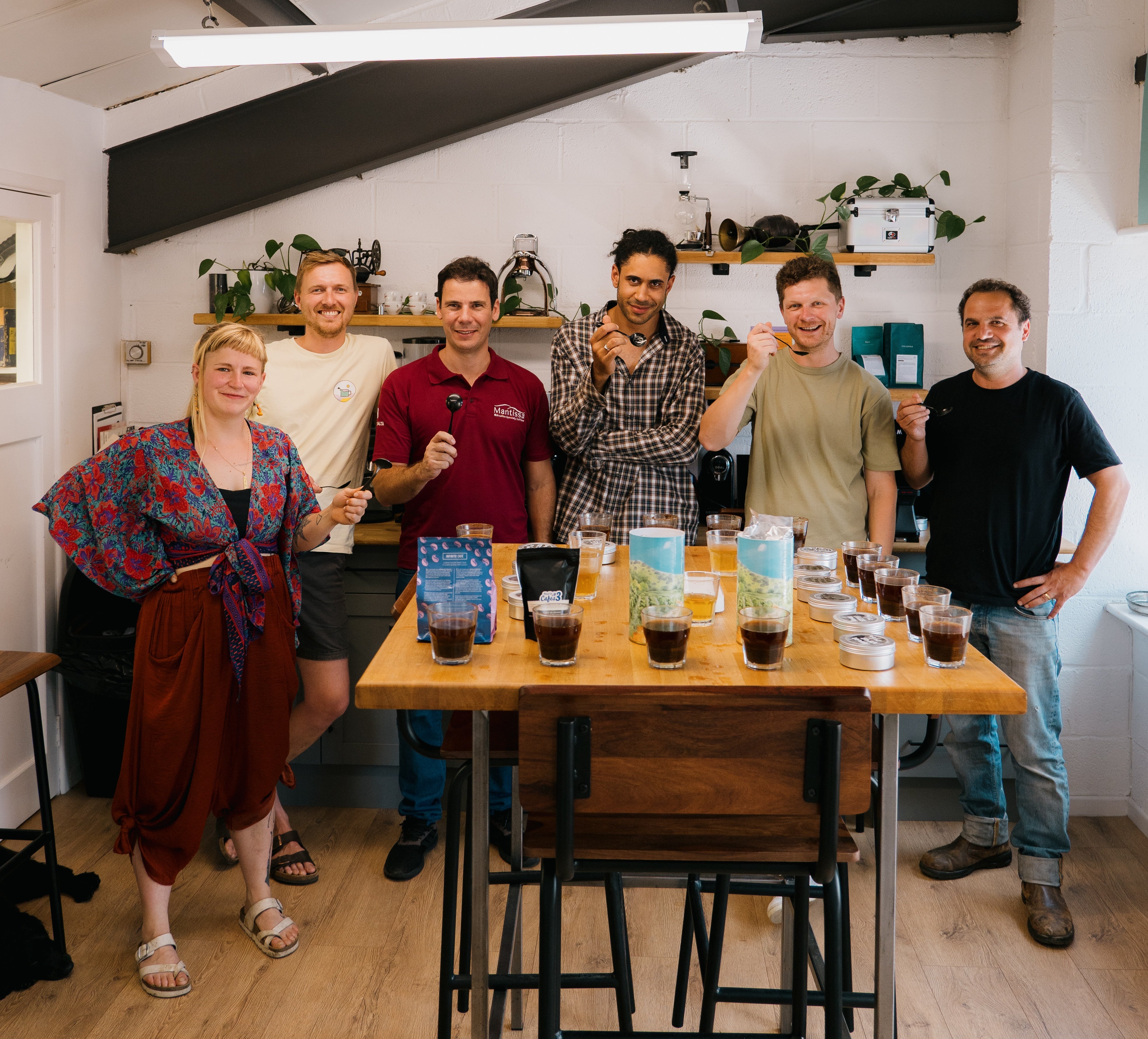
We love having direct relationships with our farmers, because it enables us to give feedback on the quality of the coffee, keep track of how the money is being invested in the farming process, and most importantly, keep track of the wellbeing of the farmer.

What are the benefits of buying Direct Trade Coffee Beans?

When you buy Direct Trade Coffees, you can feel good about the fact that a bigger share of your money is going directly to the farmers. We pay our farmers a large advance well before harvest, giving them real financial security at the moment they need it mos, allowing them to invest in their processing, equipment, and labour without taking on debt.

Fair pay also leads to better coffee. When farmers have the resources to take care over every stage of production, the quality of the crop reflects that. And by having a direct relationship with us, they get to experience the final product and take pride in what they've grown.

What is the difference between Fairtrade and Direct Trade Coffee Beans?

The Fairtrade Minimum Price represents a formal safety net that prevents producers from being forced to sell at too low a price when the market price falls below it. It is a positive movement for many products under the organisation's umbrella.

In most cases, for example chocolate and bananas, the minimum price covers the producers' average costs of production. But this is not the case for coffee, because of the way it is farmed. Coffee goes through many processes which require a lot of time and attention from the farmer to get the best results from the crop. After that process is complete, the Fair Trade Minimum Price hardly covers the cost of production, meaning Direct Trade isn't just a nicer option, it's a necessary one for farmers to genuinely thrive.

With Direct Trade Coffee Beans, we pay higher prices directly to the farmers, which enables them to give their coffee beans the time and attention they need to produce the best tasting coffee, all while making a profit.

Where does Missing Bean source its Direct Trade coffee?

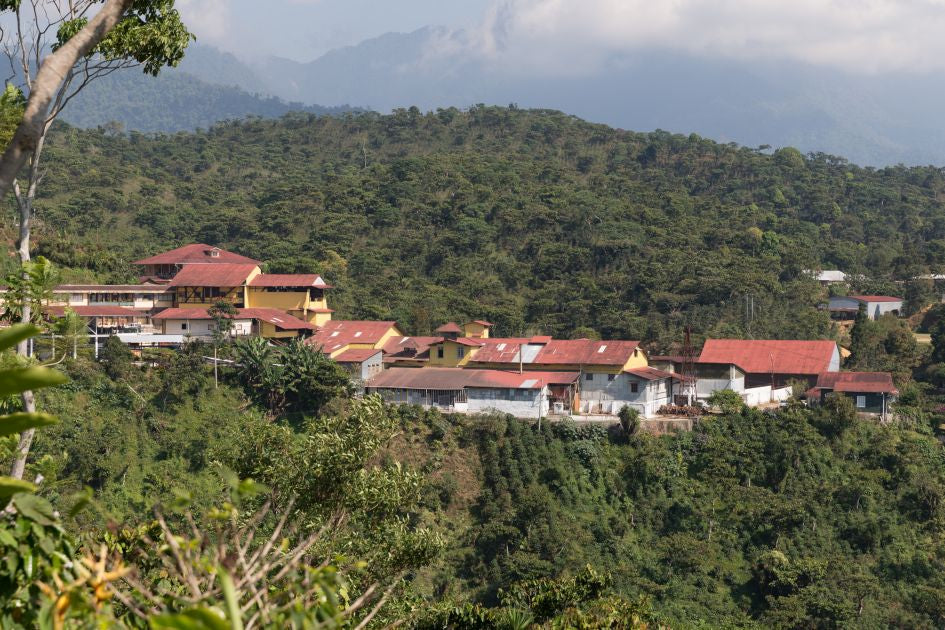
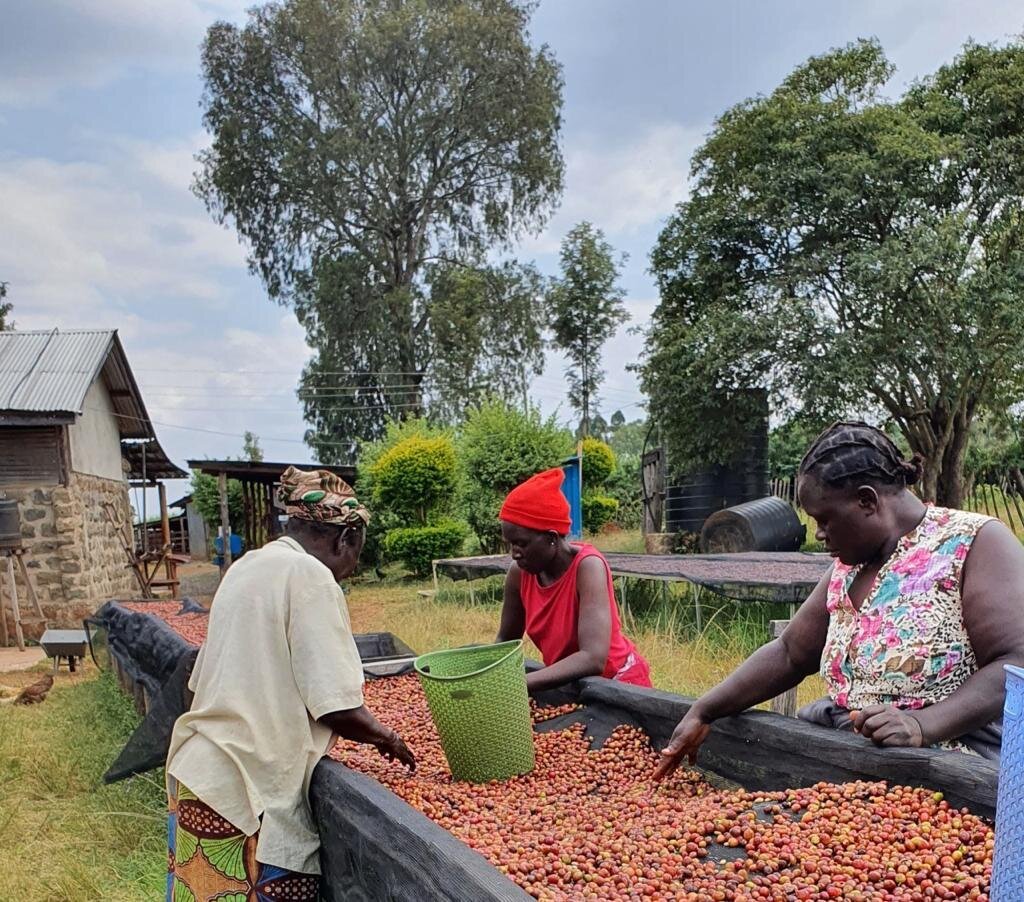
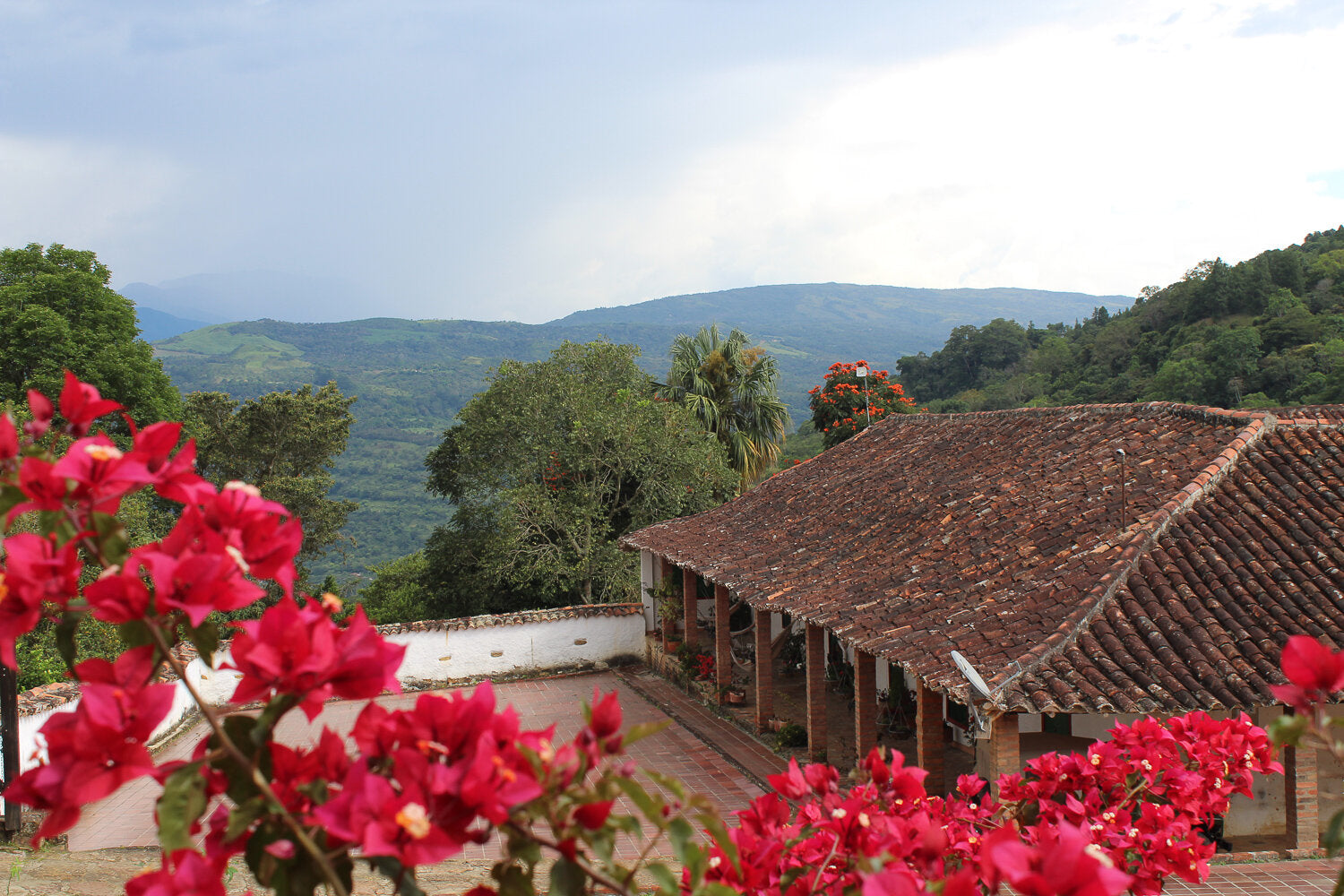
We currently source Direct Trade coffee from Colombia, Peru, Brazil, Nicaragua, Mexico, Thailand, and Kenya. Some of these are long-standing relationships. We've been working with Santiago in Colombia and Guillermo in Peru for over six years, and each year we buy larger quantities as those partnerships deepen. For farms in more remote regions, we work with carefully chosen independent green bean importers who share our values around long-term, equitable producer relationships.

How much more do you pay farmers compared to the Fair Trade price?

Significantly more. In 2024, the Fair Trade Minimum Price for coffee was around £3.47/kg. Our weighted average green coffee price that year was £6.30/kg, almost double. In dollar terms, we paid our direct trade farmers an average of $3.74 per pound at the farm gate, which is 55% above the commodity market price and 108% above the Fair Trade minimum. We believe Fair Trade, while valuable, doesn't reward quality, and we're happy to pay more for exceptional coffee.

Do you pay farmers before the harvest?

Yes. We pay a large advance well before harvest. This is one of the most meaningful differences between Direct Trade and conventional purchasing. It gives farmers real financial security at the moment they need it most, allowing them to invest in their processing, equipment, and labour without taking on debt.

Is Missing Bean's Direct Trade coffee organic?

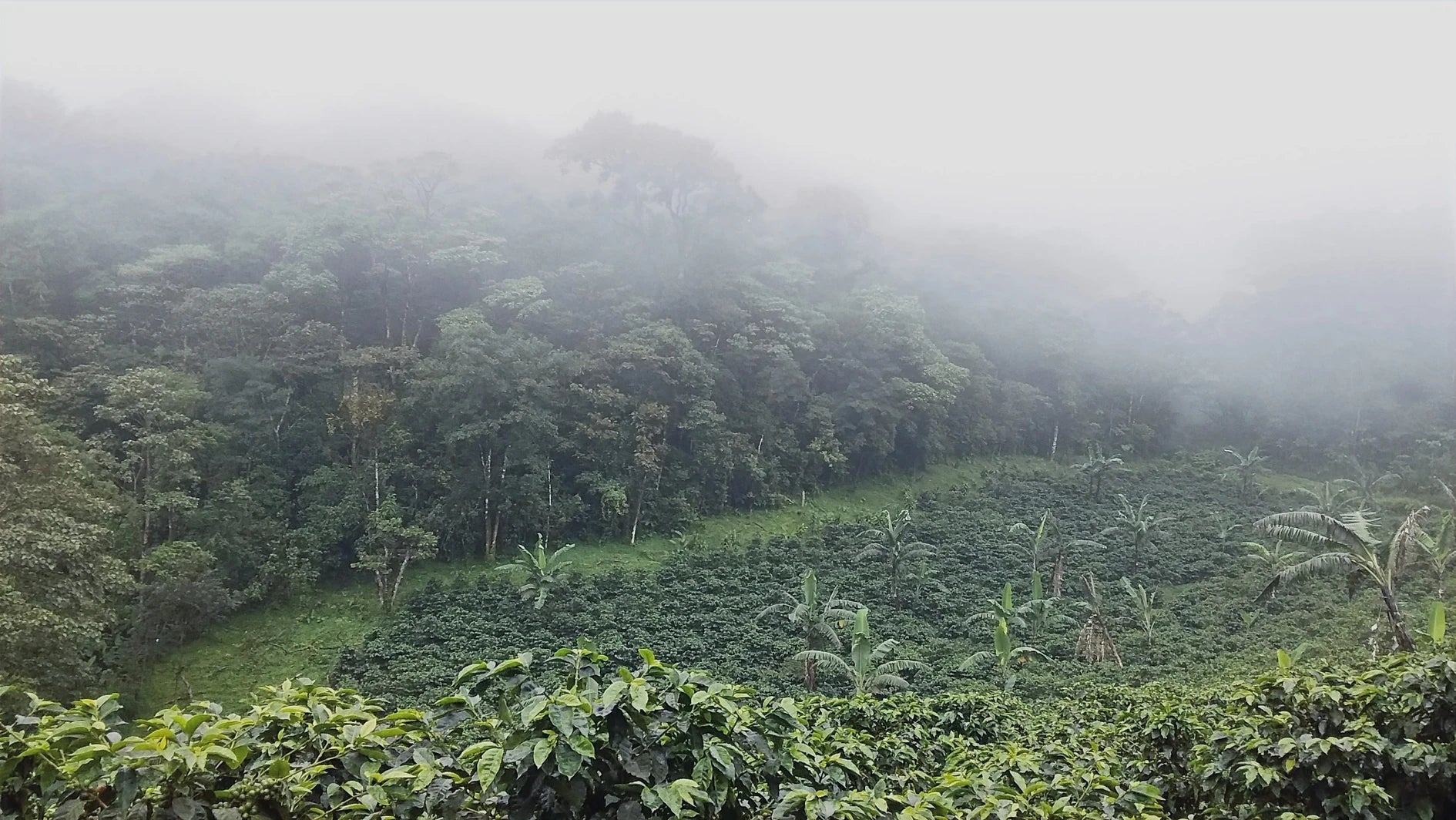
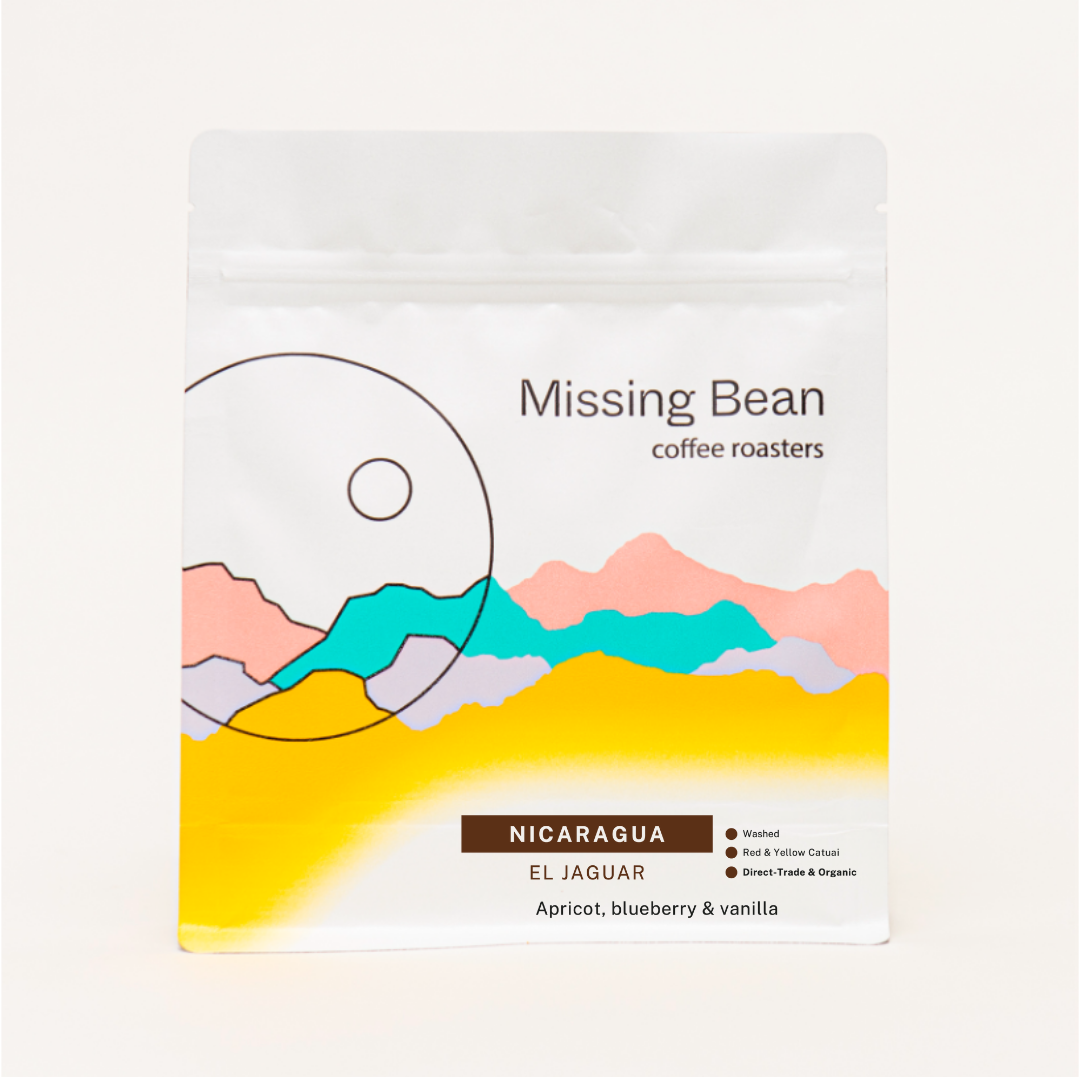
Our two core Direct Trade coffees, from Colombia and Peru, are both organically and shade grown. Their producers also actively protect the ecological biodiversity of their land. We'd love for all our coffee to be grown this way, and while that's not yet possible across our full range, it's the direction we're moving in. Our goal is to source 80% of our coffee from Direct Trade and Facilitated Trade partners by the end of 2026.

What does 'Facilitated Trade' mean?

For farms that are too remote for us to visit directly, we work with independent green bean importers who have established, close relationships with those producers. We call this Facilitated Trade. We're not dealing with commodity brokers or anonymous supply chains, but with trusted intermediaries who share our commitment to fair pricing and long-term partnerships.

How does Direct Trade affect the quality of the coffee?

Directly, and in both directions. When farmers are paid fairly and in advance, they can invest in better processing, take more time over each stage of production, and grow their crops with quality rather than volume in mind. And because we're in ongoing conversation with the people growing our coffee, we can share feedback, discuss what's working, and develop coffees that improve year on year. Guillermo's coffee from Peru, for example, scores higher every year as the relationship has deepened.

How much of Missing Bean's coffee is Direct Trade?

In 2024–25, Direct Trade coffees made up 60% of our annual sales, up from 45% in 2021–22. We're aiming for 80% by the end of FY2026.